The French Revolution, the American Revolution, the War of 1812, the Civil War—all interesting, all have been covered countless times in all scopes of media. But have you ever heard of the Egg War? Well, until a few weeks ago, neither had I. Let me tell you all about it.
As you very well may know, in 1848 James Marshall found some gold. Sam Brannan overheard about it in a bar and went on to publish it in his newspaper, the California Star, which sparked the Gold Rush. In that time, California had an influx of thousands of people. This was great in many ways, of course, but also kinda bad.
Population grew like crazy, which made the cost of living go up—like crazy. For example, eggs. I love my eggs. If I have time to make breakfast, I always have about three fried eggs. Pre-rush, my three eggs would cost me 50 cents an egg, so a dollar fifty. Fast forward just a few years to the mid-Gold Rush: nine bucks for my three eggs!
And that’s in 1850s money. Price that in today's money, and that's like going from $70 a day for my three eggs to $390 a day for my three-egg breakfast! Not to mention bacon, toast, and a cup or ten of coffee to start the day. Not the typical breakfast of an average person, I might add—that's luxury.
So prices are insane, and the reason, of course, is at least twofold. First, you have the amount of chickens to supply a San Francisco population pre-boom of about a thousand people, and then suddenly in just a couple of years, you have 25,000 with not many more chickens added. And of course, you have to consider the fact that suddenly there are much more wealthy people, so you can simply up the price and they’ll pay it, no problem. Same as today.
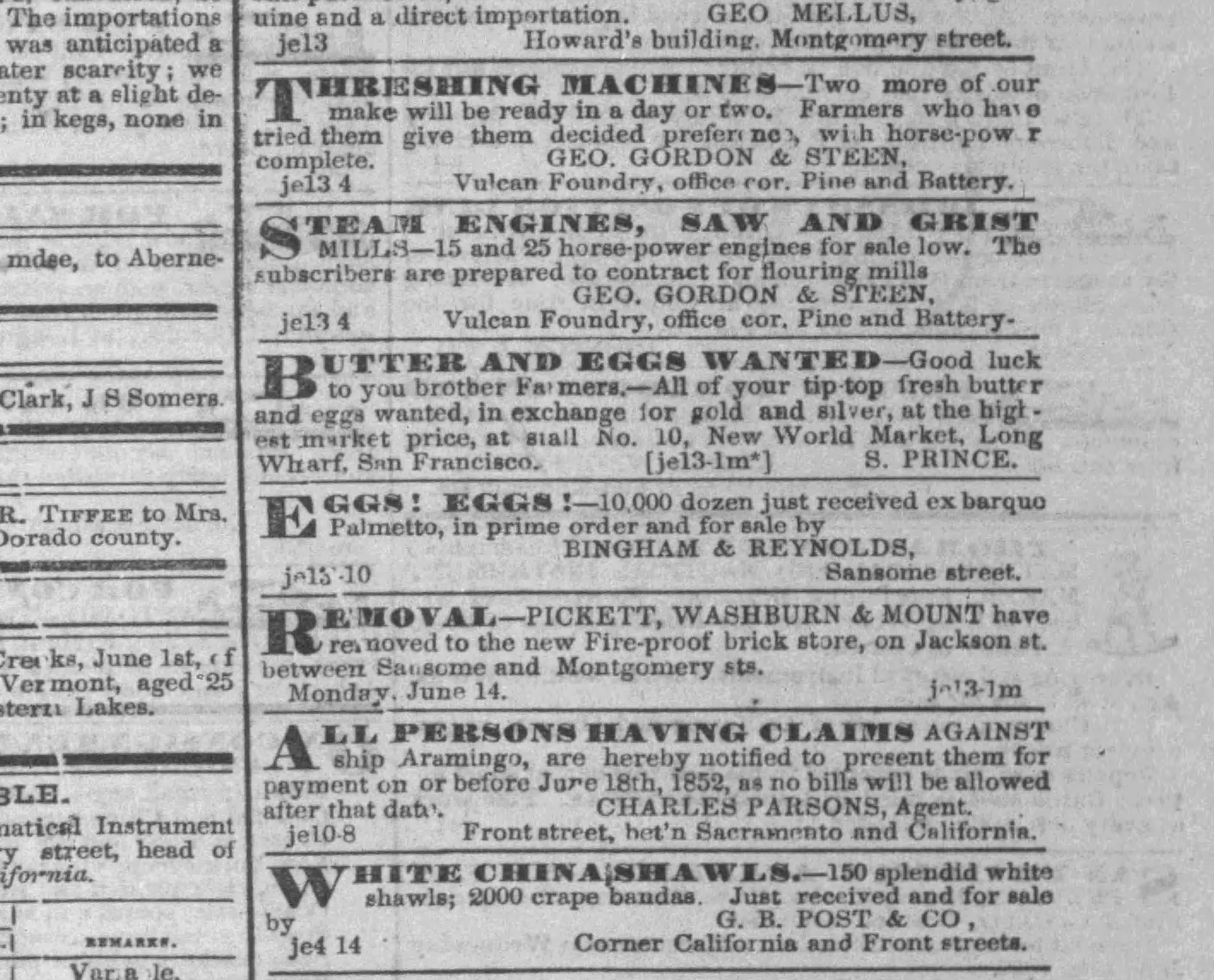
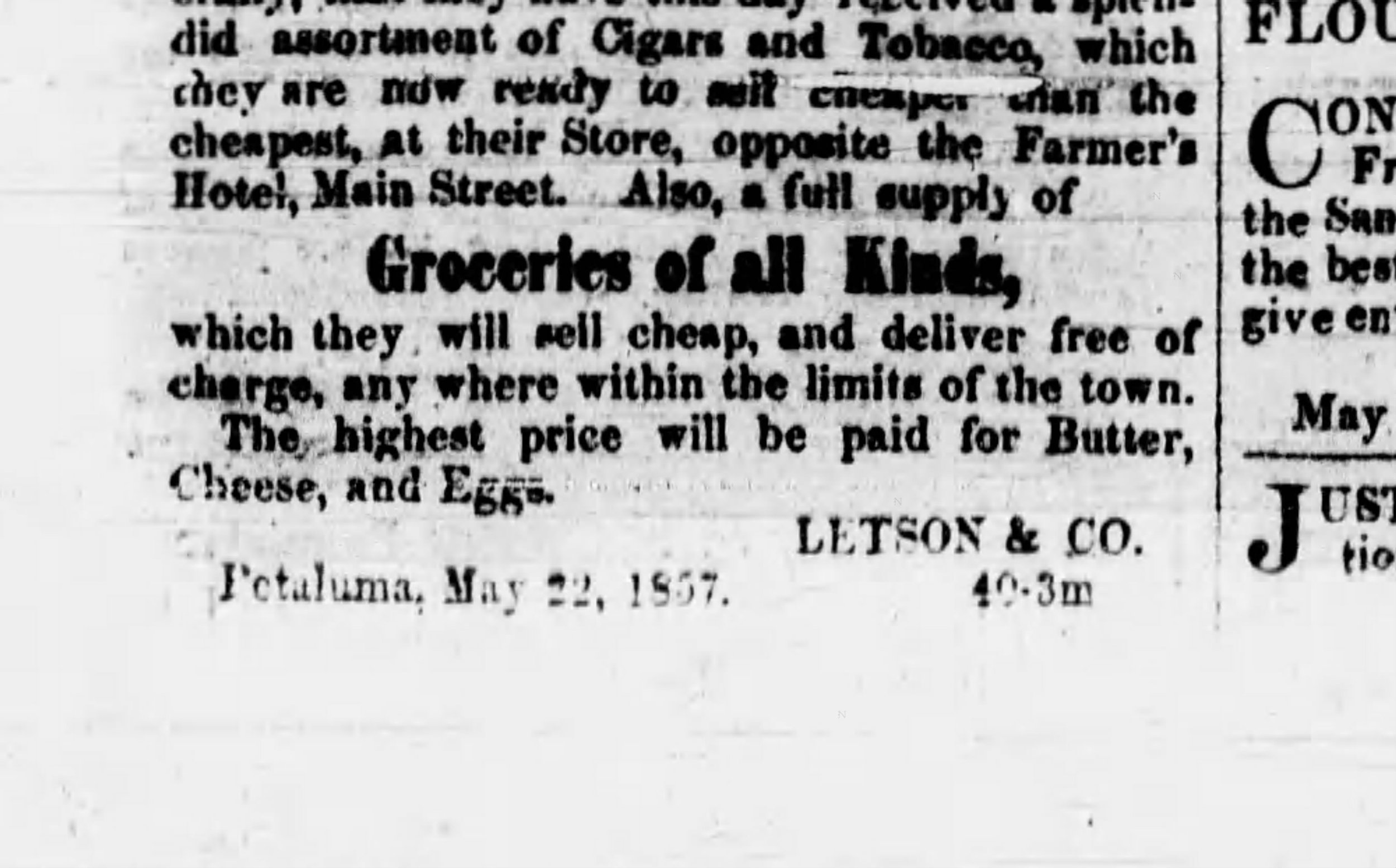
Of course, there isn’t a Costco or a Walmart for people to go to for their groceries. There's a bunch of little stores who often got their items from farmers nearby selling off their surplus, or they got stuff shipped in from other parts of the country or the world. It wasn’t uncommon to see ads like one from a grocery store saying they’ll pay the highest price for butter, cheese, and eggs, or another asking for butter and eggs from farmers, also saying they’ll pay the highest market price for them.
So enter this pharmacist guy named Doc Robinson. He and his brother-in-law hatch a plan to get rich quick off this egg shortage problem: the Farallon Islands.
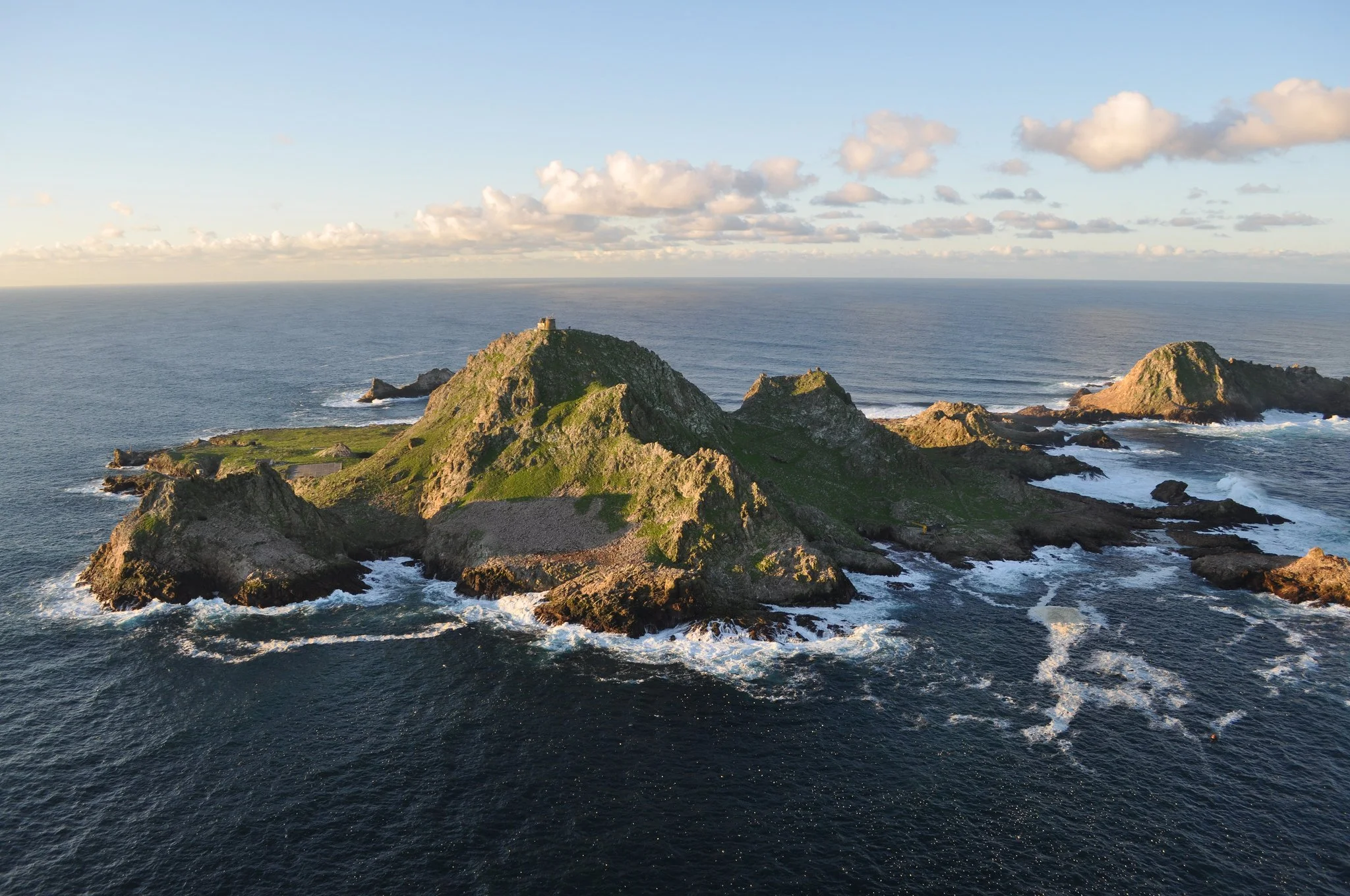
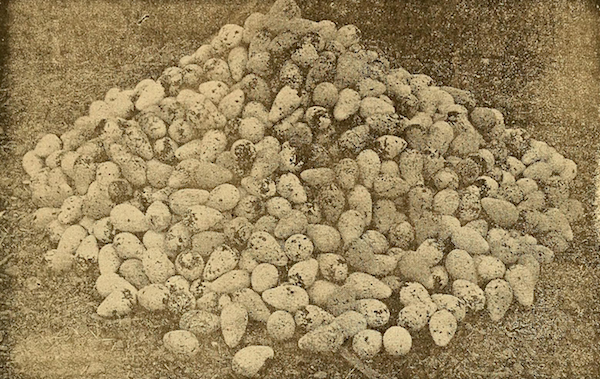
About 30 miles off the coast of San Francisco is this small island group called the Farallon Islands, which is very rocky with a bunch of steep cliffs. This island is where thousands of seabirds come to lay their eggs. There's a few different birds there, but the one I’m talking about is the common murre. Their eggs are twice the size of a chicken's egg, the shell is thicker, and Doc and his brother-in-law think they would be a perfect substitute for chicken eggs.
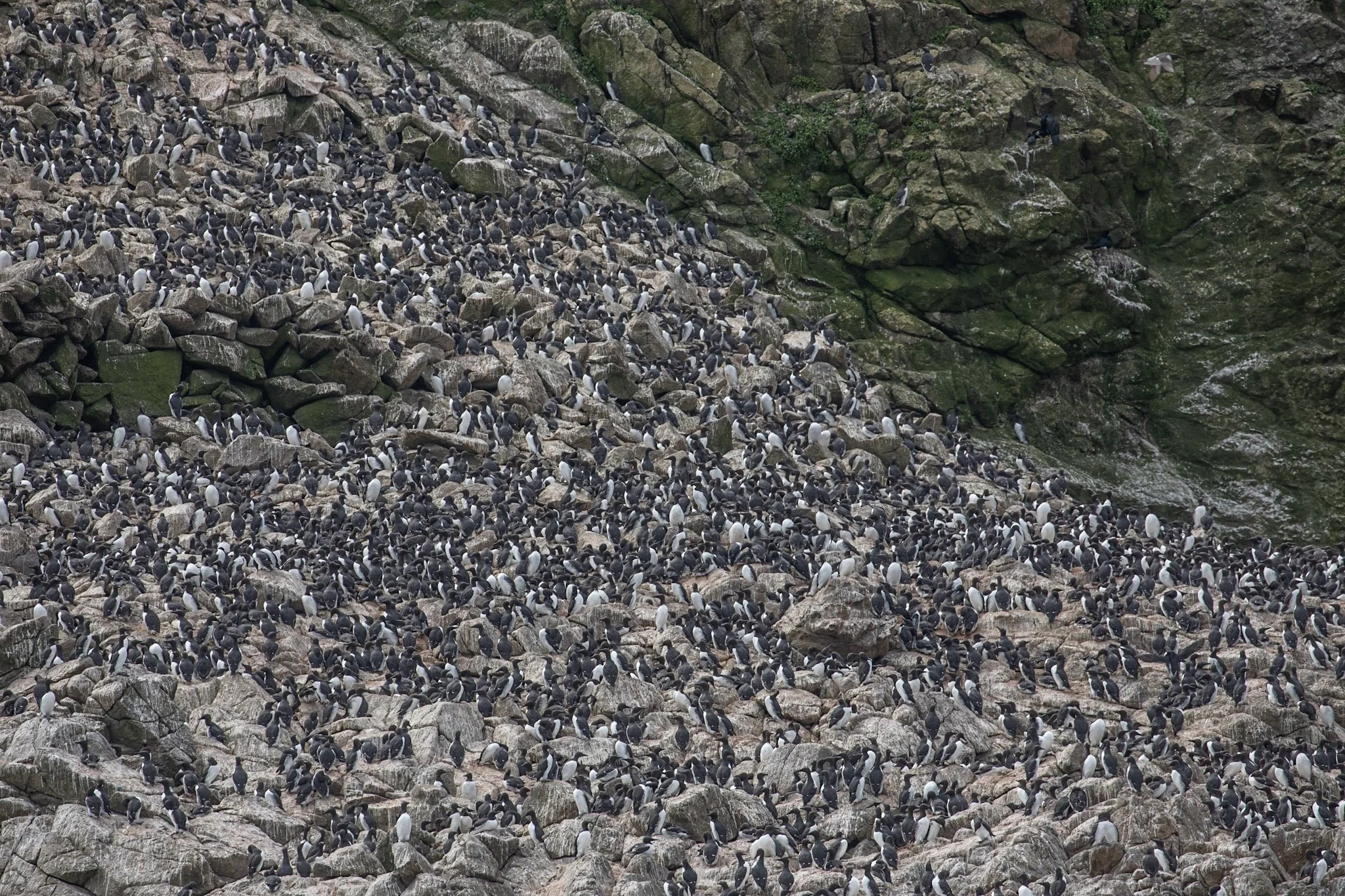
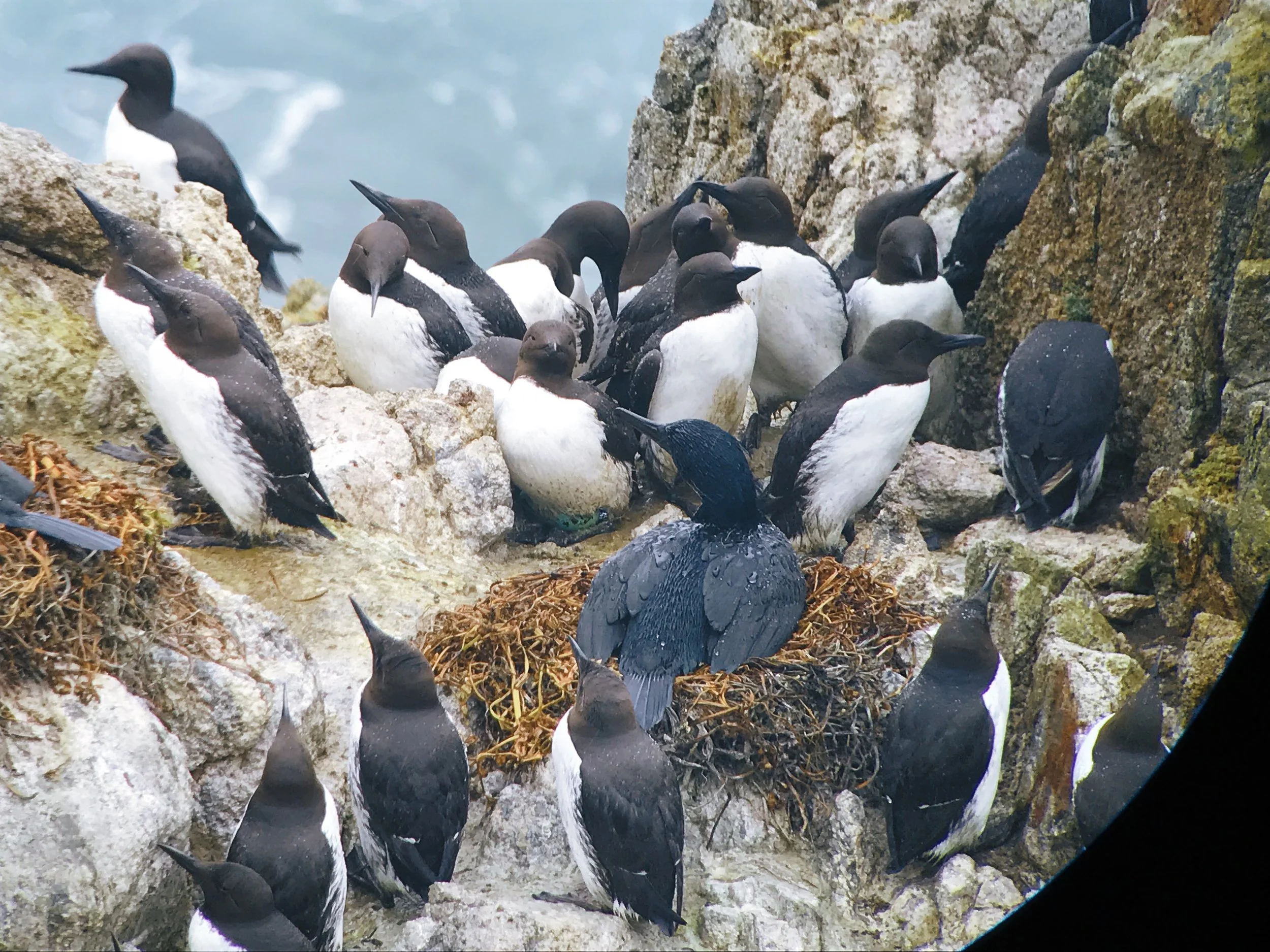
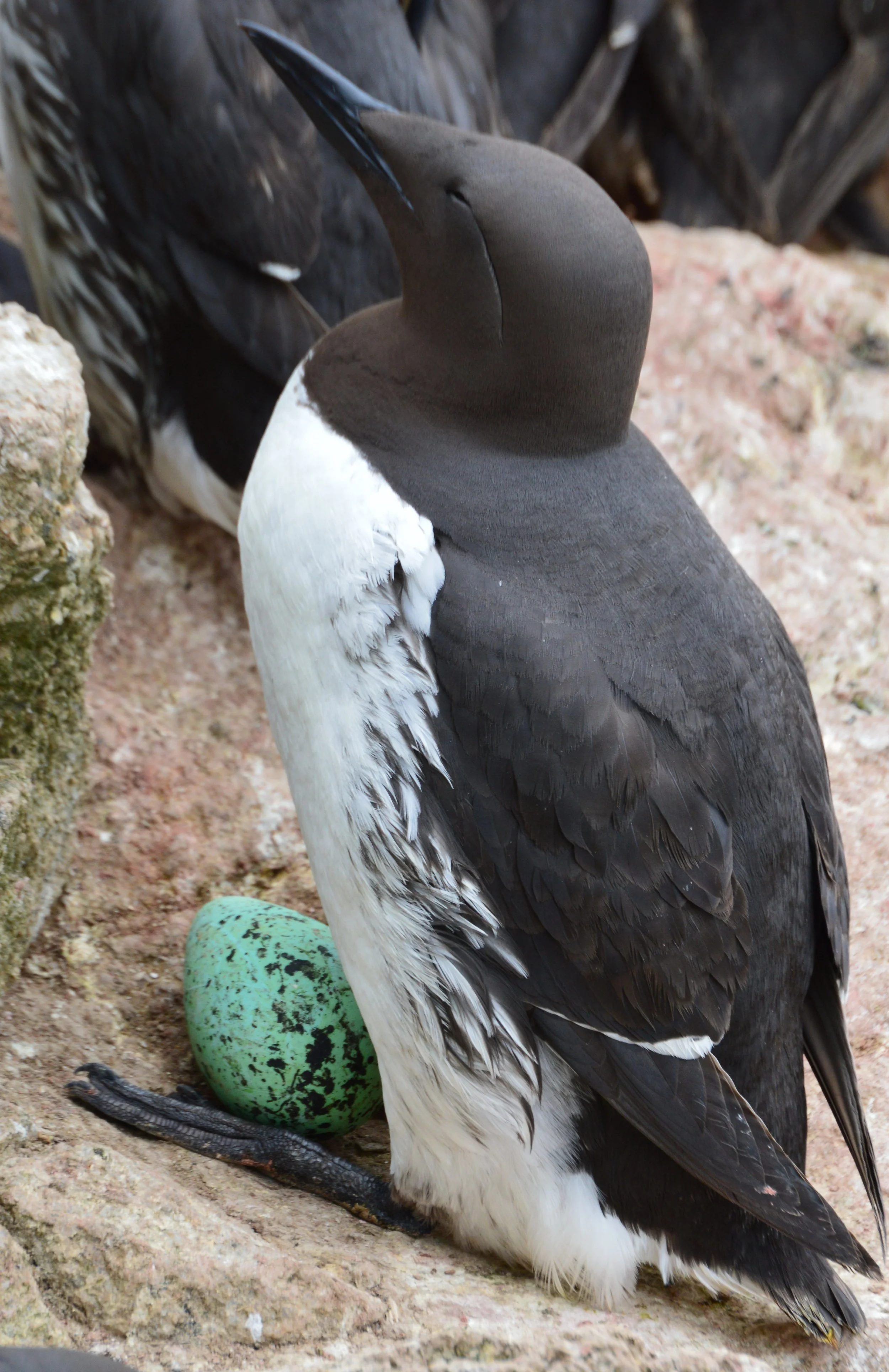
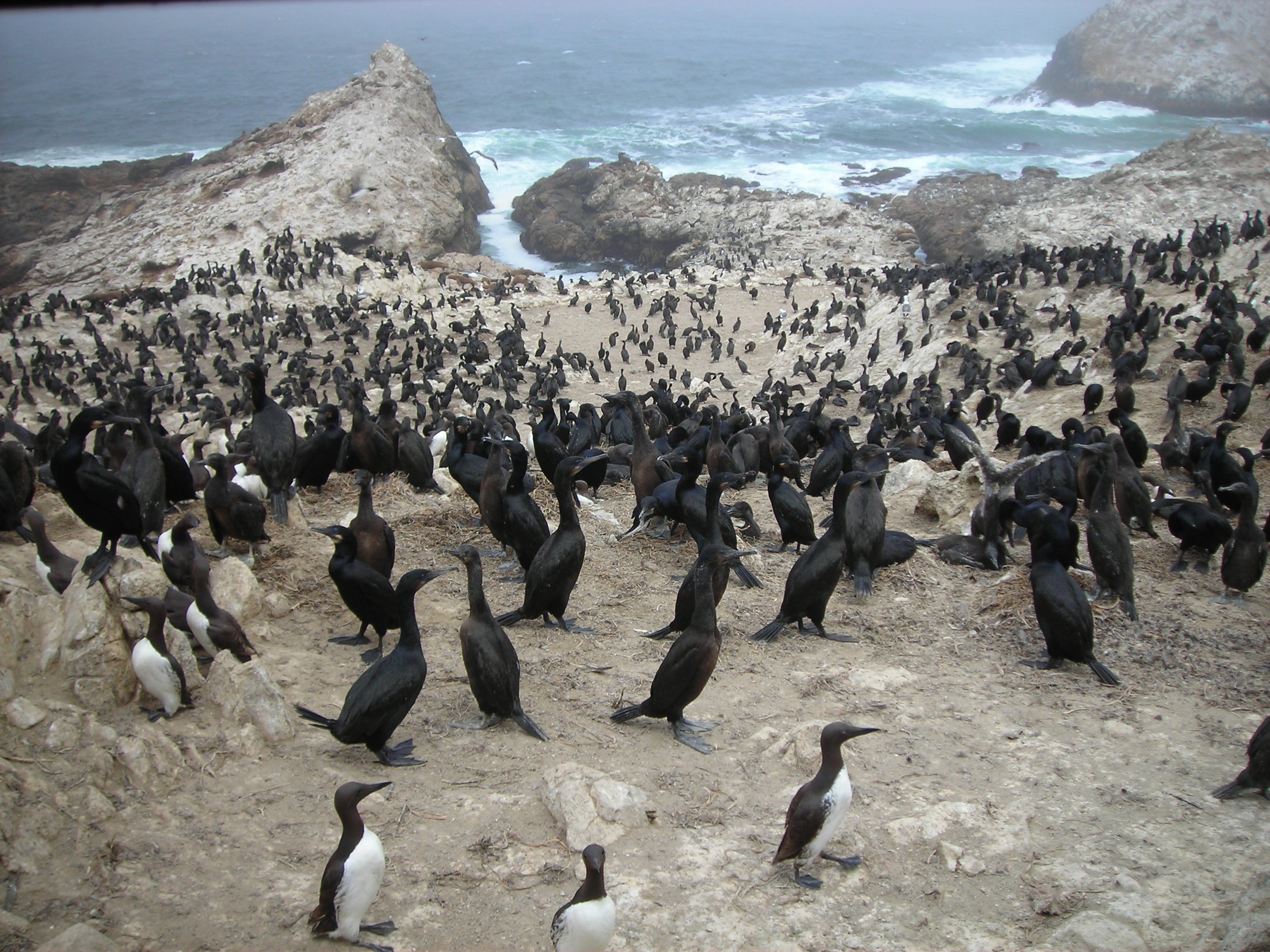
So they take a boat out there and start swiping away all these eggs, getting covered in bird crap and being attacked by both the gulls and these murres. Then they high-tailed it back to their boat and sailed back to San Francisco. They lost a good half of the eggs in the rough, shark-infested waters, but they made a nice $3,000 from the trip. However, it was so traumatizing that they never went back.
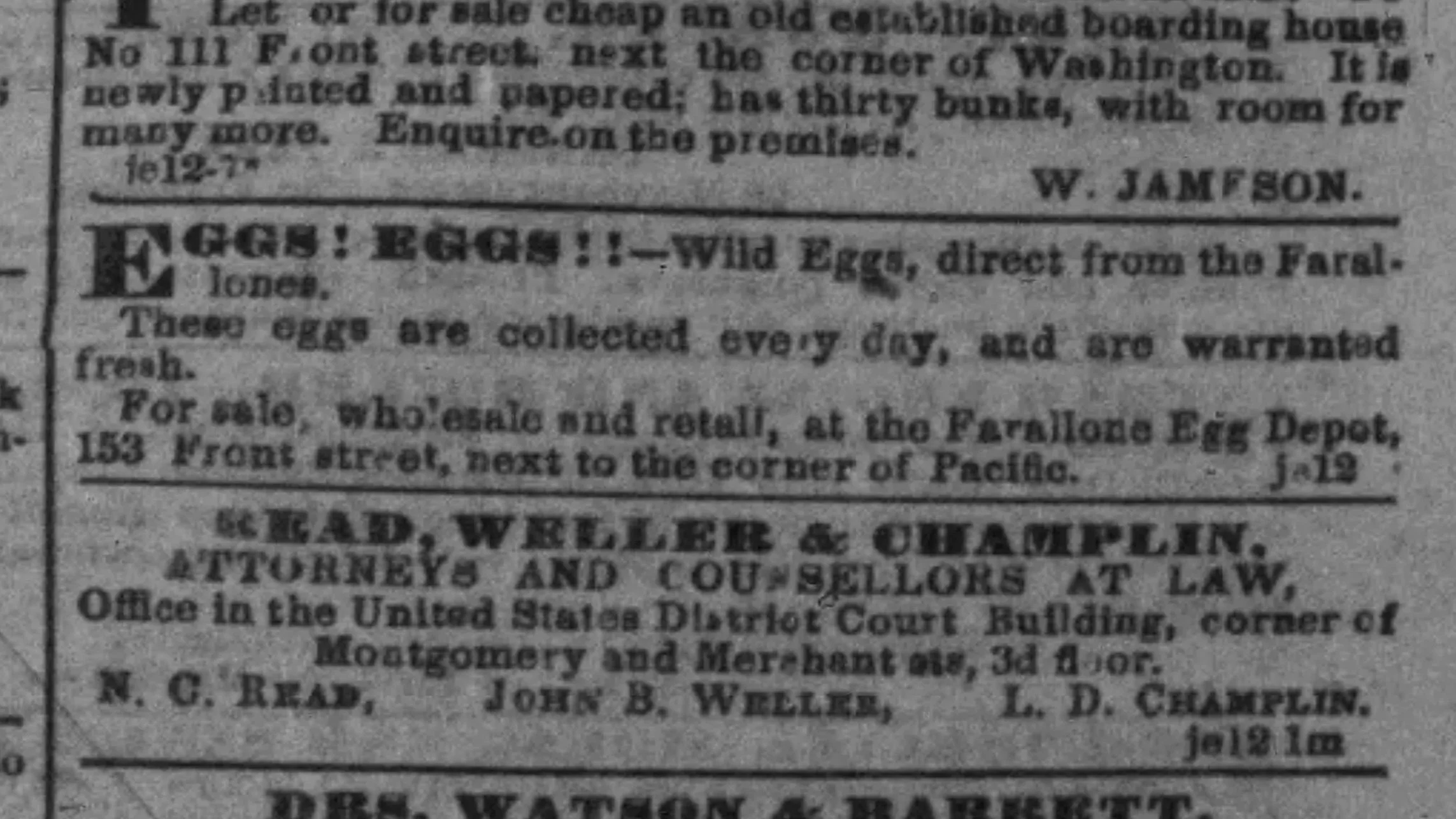
Now, these murre eggs weren’t a huge hit or anything, but they served as a nice substitute; generally, they were used in baking. If you were served fried murre eggs, it wasn’t appetizing. Unlike chicken eggs, the white never turned white—it stays clear and jelly-like. And the yolk is a deep red color instead of a chicken’s orange. Plus, if you got an old egg, you’d have a nasty fishy aftertaste that lasted a long time.
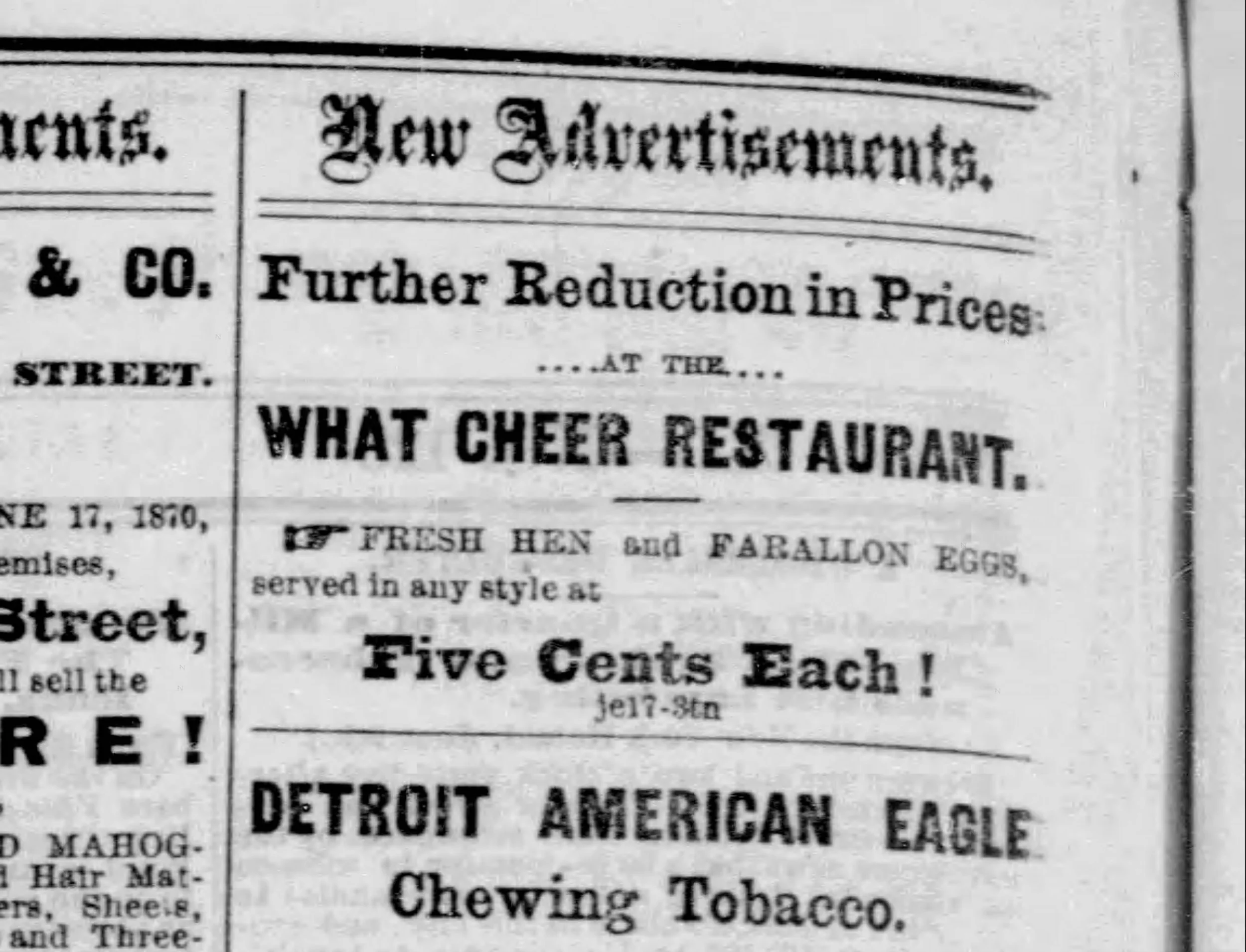
So yeah, Doc triggered an egg rush. In 1851, six guys went over to the island and declared it to be theirs, making little shacks to live in, shipping eggs back to San Francisco, and creating the Pacific Egg Company.
Now, the Pacific Egg Company did not want to give anyone bad eggs. So when the murre egg season was upon them, they’d start by smashing every single egg they saw to make sure when they collected eggs later, they would be fresh—they didn't want to sell any balut by accident. Then, they’d trek out all over the island with shirts featuring giant pockets to carry them, put them in baskets, and ship them back to shore.
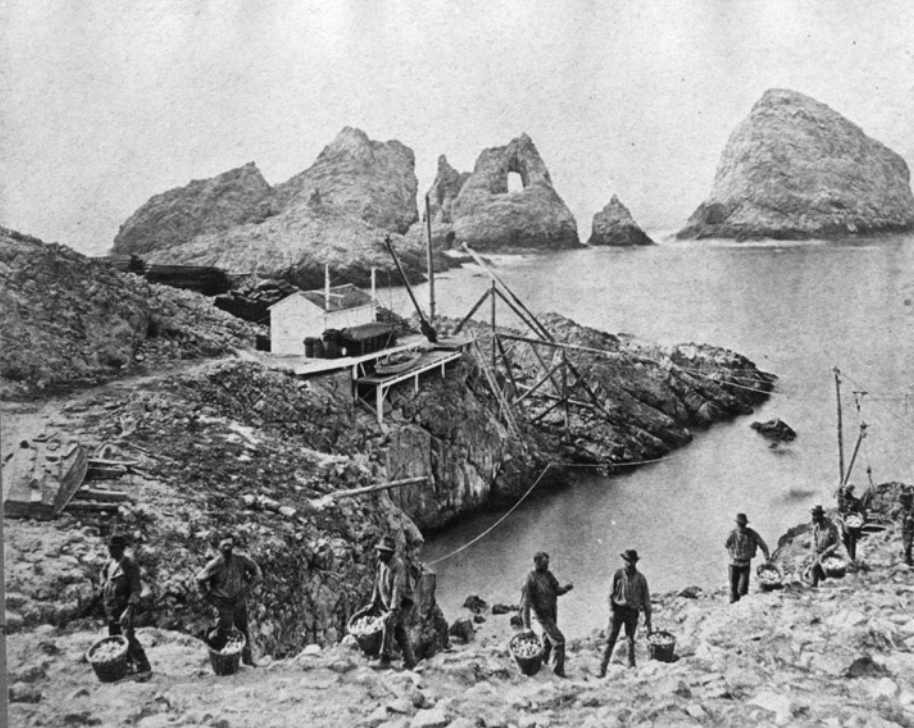
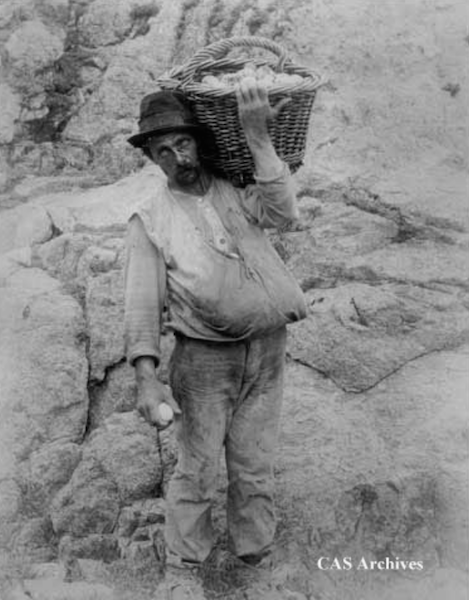
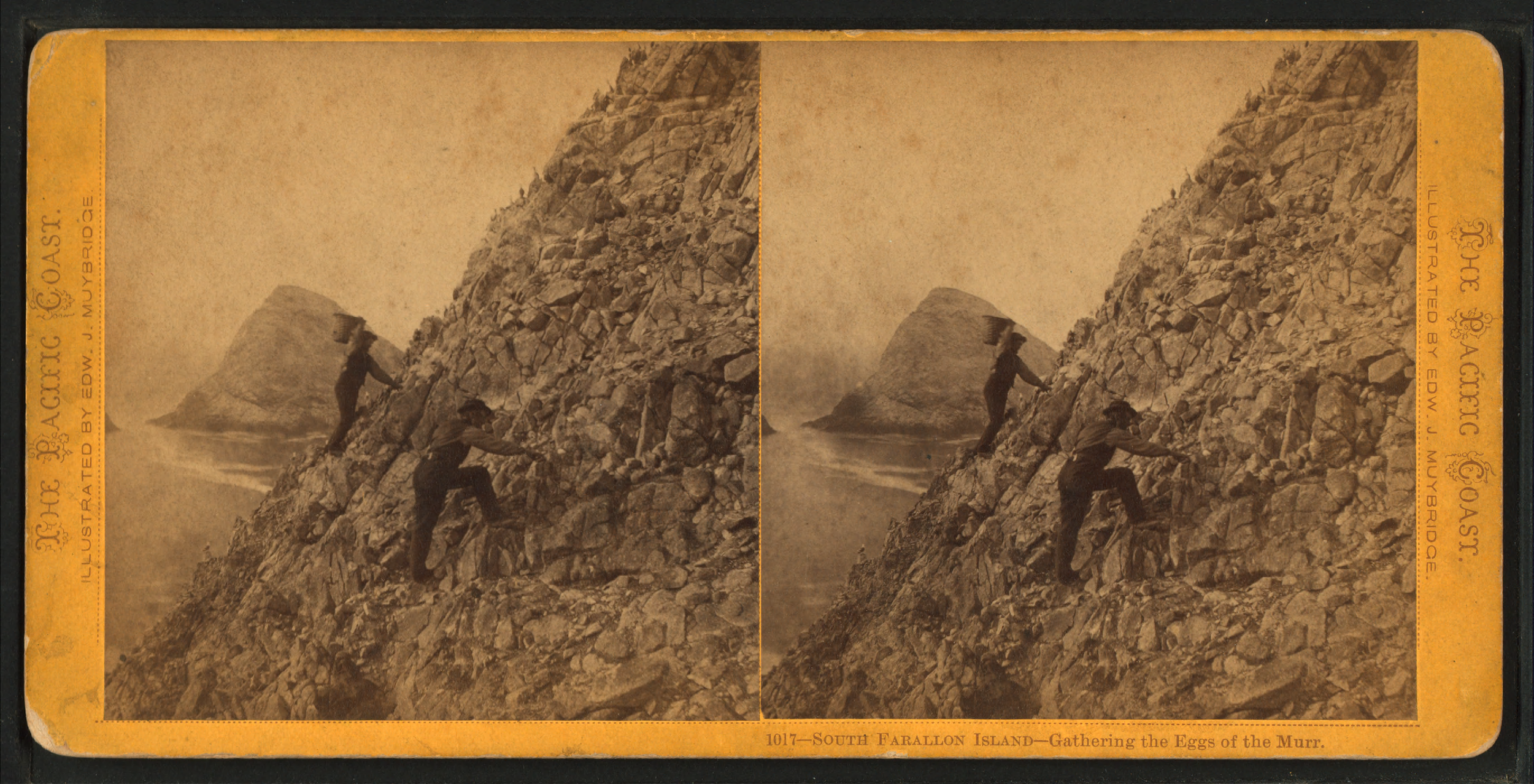
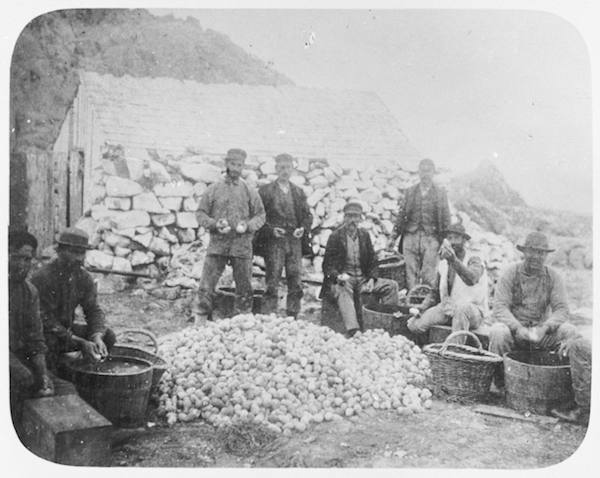
If any other egger was spotted, they would have some choice words, then some fistfights, and sometimes they’d stab each other or simply pull out guns and shoot each other. And of course, there were the egg pirates hijacking boats full of eggs headed to San Francisco.
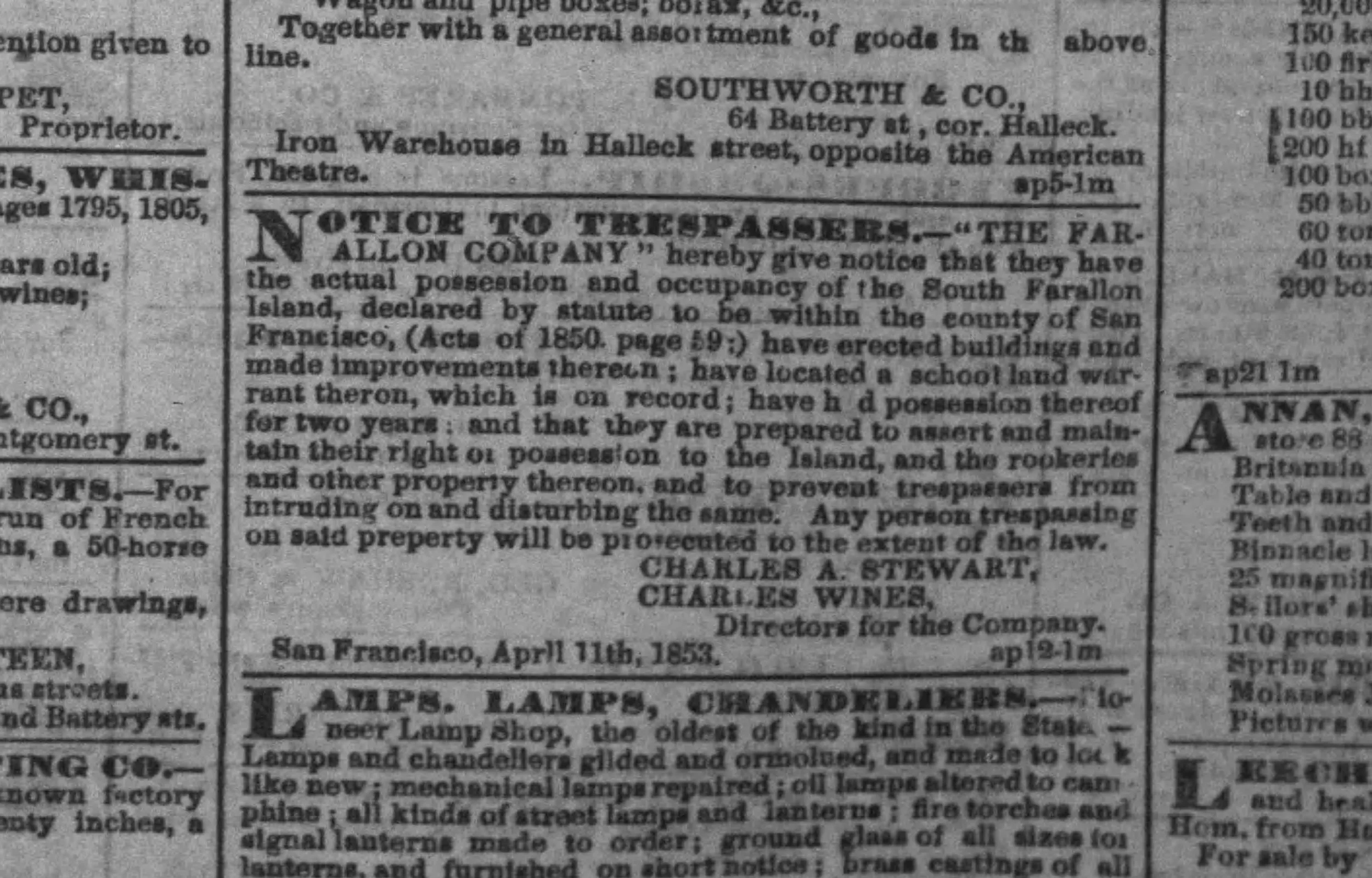
Then, things got a little more complicated.
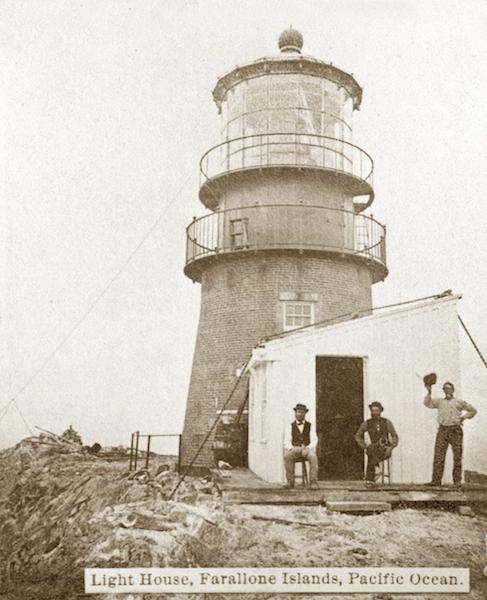
The U.S. government in 1859 decided that too many ships were crashing near the Farallon Islands and a lighthouse needed to be built. So now, enter the government into the Egg War.
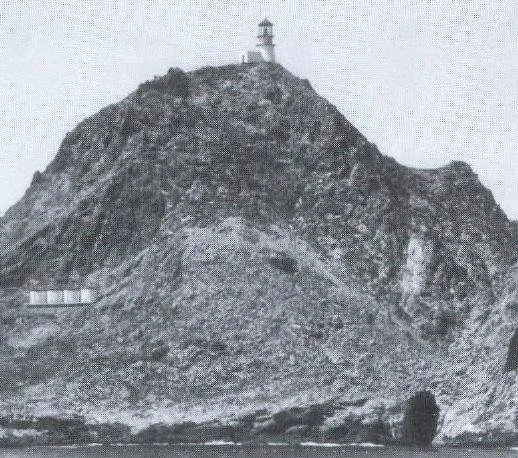
The Pacific Egg Company and their men terrorized the guys building the lighthouse and the roads. Then, once it was up and operating, they’d bully the lighthouse keepers as well. If a lighthouse keeper was collecting eggs for basic sustenance, they’d beat him up. Then in 1860, a mob of eggers took over the lighthouse and forced the keepers off the island.
Finally enter a challenger: David Batchelder. He’s an Italian guy and he’s got a mini-army of 27 men in boats, fully armed, including a cannon and plenty of booze.
Batchelder had made multiple attempts to take over the island, but had always been kept at bay or even arrested by the predecessor of the Coast Guard, called the U.S. Revenue Cutter Service. This time he’s back with even more men, more guns, and a cannon. It was June 3rd, 1863—a few weeks before the Battle of Gettysburg happened on the other side of the country. It was somewhat late in the evening and they were spotted right away. A Pacific Egg Company man yells down to them to land at their own peril, to which Batchelder replied that they would come "in spite of hell." And then they floated around and got drunk, egging on the eggers.
Morning comes and Batchelder and his men attempt to land. And bam—gunshots and cannon fire go off for the next 15 to 20 minutes. Five of Batchelder's men are wounded, many hiding under potatoes they brought with them in the boat. On land, one Pacific Egg Company guy is dead, and another from Batchelder's crew is wounded to the point he’ll die in a few days at a hospital.
Batchelder and his men high-tail it back to San Francisco, and the government had no choice but to step in. But instead of shutting the whole thing down, they granted the Pacific Egg Company the rights to the land, essentially allowing them to continue their monopoly of sorts over these murre eggs.
You would think the Pacific Egg Company would be grateful and just do their egg thing peacefully now that the war was over, right? Nah.
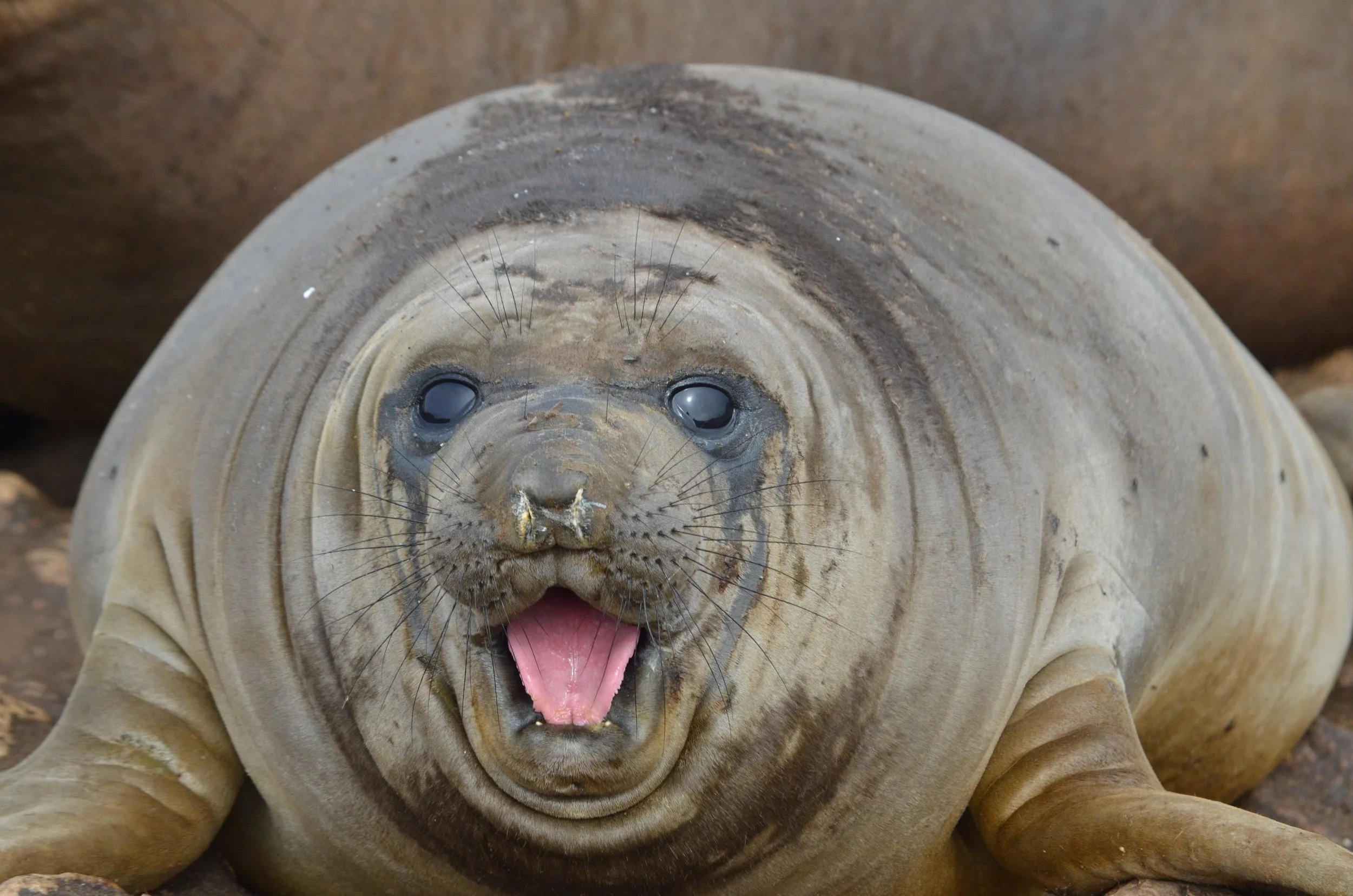
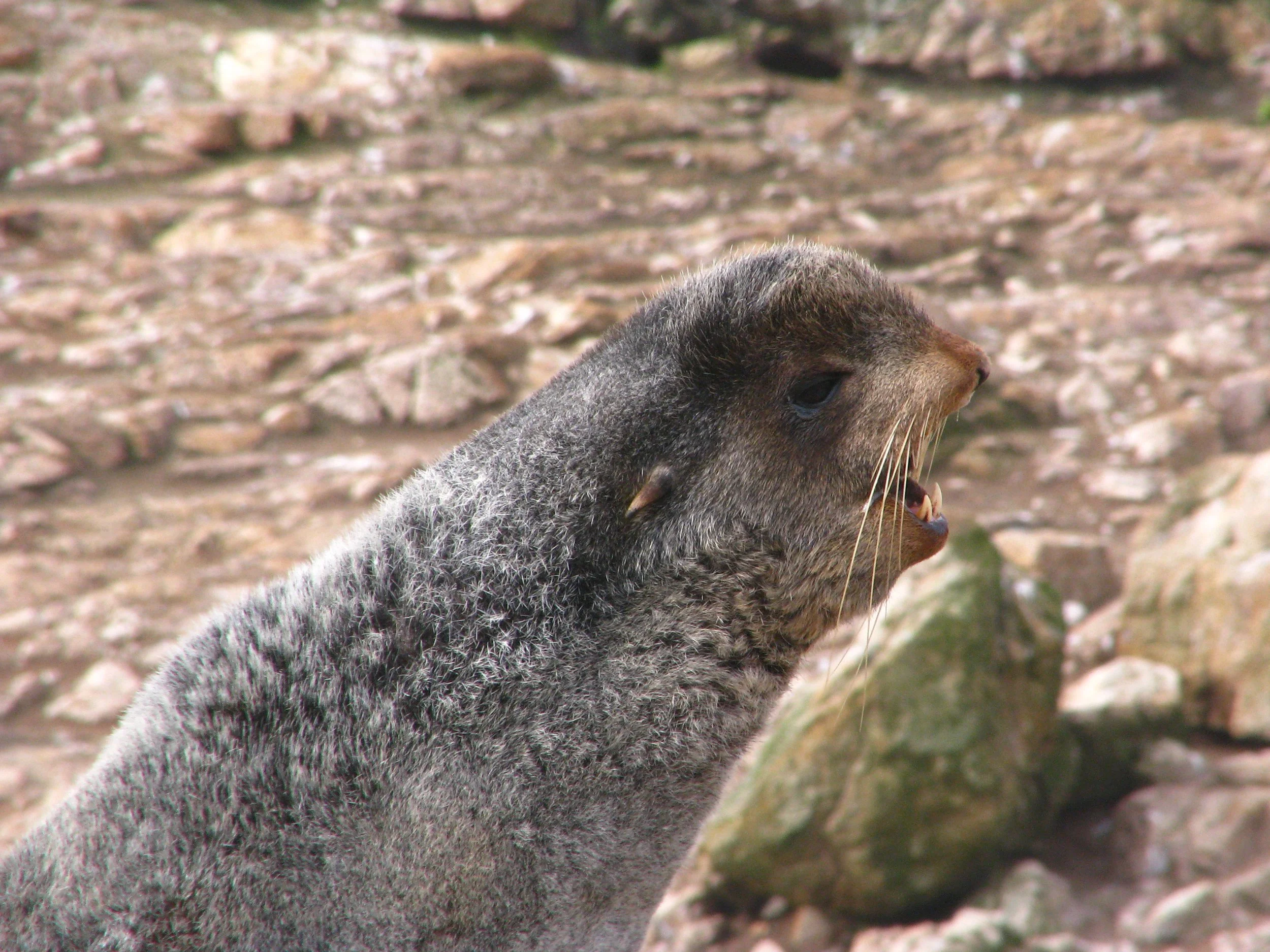
For one, Batchelder was taken to court and ended up going to San Quentin for almost a year. The egg company continued to bully the lighthouse keepers, and they started to catch, kill, and render sea lions and seals for their oil. For one, it was a nasty smell, and for two, the smog created by the process dimmed the lighthouse too much. They even went on to demand the foghorn be taken out since it scared the birds away!
But the final straw was in 1881 when a lighthouse keeper was attacked for collecting eggs for himself to eat. The government came in and evicted them off the island, which let the egging practice go back to local fishermen and the lighthouse keepers.
As time would eventually go on, even had the government not taken them out, the murre egg business would have gone down anyway due to Petaluma, which had started up a giant poultry operation that finally solved the egg crisis.
That's the Egg War! If you enjoyed this, feel free to share it with someone else who might, and make sure to follow along so you don't miss future stories. Ricky's Historical Tidbits is designed to teach you about the fascinating history that textbooks usually skip or cover in just a paragraph or two. You can find all episodes as articles, videos, or podcasts—and get them delivered directly to your inbox via Substack.